Table of Contents
Technology changes the way you live, work, shop, communicate, and entertain yourself. But not every tech decision gets a positive reaction. Some updates, product launches, business moves, and platform changes create huge arguments online. In many cases, people split into two groups almost instantly. One side believes the change is innovative and necessary, while the other sees it as greedy, confusing, or completely unnecessary.
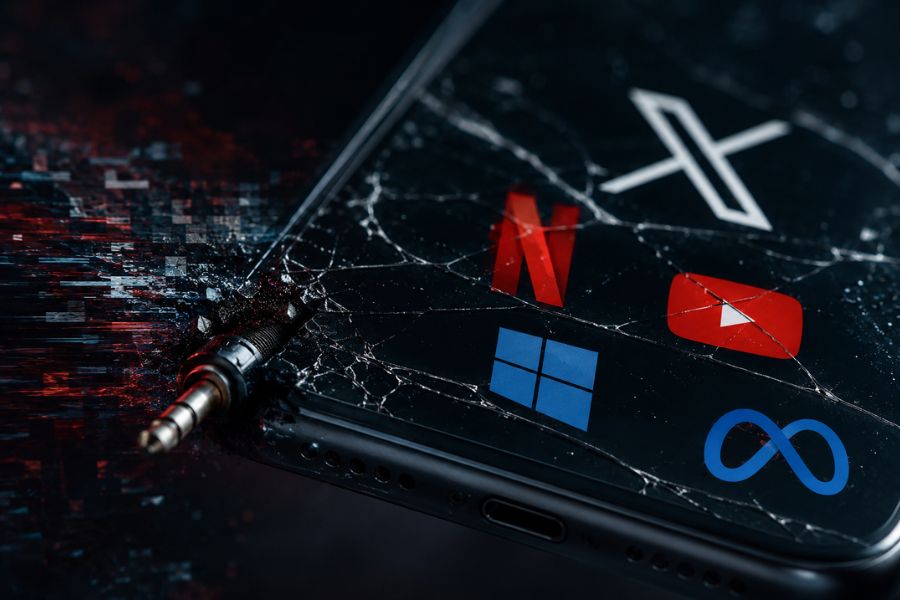
Over the years, some tech decisions became so controversial that they dominated social media, forums, YouTube videos, and news headlines for months. These moments shaped internet culture and changed how people view major tech companies forever.
In this article, you will explore ten of the most controversial tech decisions that divided the internet and sparked endless debates around the world.
Quick Summary Table 📊
| # | Tech Decision | Why It Was Controversial | Public Reaction |
|---|---|---|---|
| 1 | Removing the headphone jack | Forced wireless audio adoption | Extremely divided |
| 2 | Twitter becoming X | Massive platform identity change | Confusion and backlash |
| 3 | Netflix password sharing crackdown | Users lost account flexibility | Heavy criticism |
| 4 | Windows 11 hardware requirements | Older PCs left behind | Frustration from users |
| 5 | YouTube removing dislike counts | Reduced public feedback visibility | Strong negative reaction |
| 6 | Meta pushing the metaverse | Huge spending on uncertain future tech | Mixed opinions |
| 7 | Adobe subscription-only model | End of one-time software purchases | Long-term controversy |
| 8 | AI-generated content expansion | Concerns about jobs and creativity | Highly polarizing |
| 9 | Apple slowing older iPhones | Battery management controversy | Trust issues |
| 10 | Google killing popular products | Users tired of losing favorite services | Internet-wide jokes and complaints |
How We Ranked These 🧠
We ranked these controversial tech decisions based on several important factors:
- How strongly the internet reacted
- Social media discussions and debates
- Long-term impact on users
- Changes to consumer behavior
- Business consequences for the company
- Media coverage and online criticism
- Influence on the broader tech industry
- How divided public opinion became
1. Apple Removing The Headphone Jack 🎧
When Apple removed the headphone jack from the iPhone 7, the internet exploded with reactions.
At the time, wired headphones were still extremely common. Many people already owned expensive audio gear that depended on the traditional 3.5mm jack. Suddenly, users needed adapters or wireless earbuds just to listen to music.
Supporters argued that Apple was pushing the industry forward. They believed wireless technology represented the future and appreciated the cleaner phone design.
Critics saw it differently. Many accused Apple of removing a useful feature simply to sell more wireless products like AirPods. Others complained about losing convenience during travel, gaming, or charging.
The controversy became one of the most talked-about smartphone decisions ever. Even years later, people still debate whether Apple made the right move.
2. Twitter Rebranding Into X 🐦
When Twitter officially became X under Elon Musk, internet users were shocked.
Twitter had one of the strongest brand identities in tech. The blue bird logo, the word “tweet,” and the platform’s culture were deeply connected to internet history.
The sudden rebrand confused millions of users. Many people questioned why such a recognizable brand would disappear overnight. Others believed the new name felt cold and generic compared to the original identity.
Supporters defended the move by saying Musk wanted to turn X into an “everything app” that could expand beyond social media.
Critics argued that the company destroyed years of branding value for no clear reason. Memes, complaints, and heated arguments flooded social platforms for months after the change.
3. Netflix Cracking Down On Password Sharing 📺
For years, many families and friends shared their Netflix accounts without major issues. Then Netflix decided to aggressively crack down on password sharing.
The company introduced stricter account rules and additional charges for users outside the main household.
Some people understood the decision from a business perspective. Netflix was trying to increase revenue during a difficult streaming market.
But many subscribers felt betrayed. Users argued that account sharing had been unofficially encouraged for years through marketing campaigns and social media jokes.
The backlash was intense. Some users canceled subscriptions entirely, while others complained that streaming services were becoming too expensive and restrictive.
Despite the criticism, Netflix eventually reported strong subscriber growth, which created another debate online about whether consumer outrage truly affects major tech companies.
4. Windows 11 Hardware Requirements 💻
When Microsoft announced the hardware requirements for Windows 11, many PC users became frustrated.
Millions of perfectly functional computers suddenly appeared incompatible with the new operating system. Requirements like TPM 2.0 confused everyday users who had never heard of such hardware features before.
Supporters said Microsoft wanted better security, improved performance, and more modern standards.
Critics believed the company was forcing people to upgrade devices unnecessarily. Some users accused Microsoft of contributing to electronic waste because older computers still worked well for normal tasks.
The controversy became even larger because many people relied on older PCs for work, school, or personal use and could not easily afford replacements.
5. YouTube Removing Public Dislike Counts 👎
When YouTube removed public dislike counts from videos, creators and viewers immediately started arguing online.
YouTube claimed the change would reduce harassment and targeted dislike attacks against smaller creators.
Some users supported the decision because online hate campaigns can become toxic very quickly.
However, many viewers strongly disagreed. Public dislikes helped people quickly judge video quality, especially for tutorials, product reviews, or technical guides.
Critics argued that removing dislike visibility protected corporations more than regular creators. People worried it would become harder to identify misleading or low-quality content.
The controversy sparked huge discussions about transparency, censorship, and whether platforms should control how users express feedback.
6. Meta Spending Billions On The Metaverse 🥽
When Meta shifted heavily toward the metaverse, reactions were mixed across the internet.
The company invested enormous amounts of money into virtual reality, digital worlds, and future online experiences. Even the company name changed from Facebook to Meta.
Supporters believed virtual spaces could become the next major evolution of the internet. They saw long-term potential in remote work, gaming, education, and social interaction.
Critics thought the company was chasing a futuristic dream that ordinary people did not actually want. Many users joked about awkward virtual avatars and questioned whether the technology was ready.
The debate became one of the biggest conversations in modern tech because it involved massive financial risk and the future direction of one of the world’s largest companies.
7. Adobe Moving To Subscription-Only Software 🎨
When Adobe moved products like Adobe Photoshop and Adobe Premiere Pro to subscription-only access, creative professionals were divided.
Before subscriptions, many users preferred buying software once and using it for years. The new model required ongoing monthly payments.
Supporters liked having constant updates, cloud features, and access to multiple apps under one subscription.
Critics hated losing permanent ownership of expensive creative tools. Many artists and editors felt trapped because industry-standard software became tied to recurring payments.
The decision also inspired the rise of alternative creative software as users searched for cheaper or one-time purchase options.
Even today, subscription fatigue remains a major topic across the tech world.
8. The Massive Expansion Of AI-Generated Content 🤖
The rapid rise of AI-generated content became one of the most controversial technology movements in recent history.
Tools powered by artificial intelligence can now create images, videos, music, code, essays, and articles within seconds.
Supporters see AI as an incredible productivity tool that can save time, improve creativity, and make advanced technology more accessible to everyday people.
Critics worry about job losses, misinformation, plagiarism, deepfakes, and declining human creativity. Artists, writers, developers, and educators continue debating how AI should be used responsibly.
The internet became deeply divided because AI affects nearly every industry. Some people believe it represents the future of innovation, while others fear long-term social and economic consequences.
Few tech topics today create stronger arguments online than artificial intelligence.
9. Apple Slowing Older iPhones 🔋
Apple faced major criticism after confirming it slowed down older iPhones under certain battery conditions.
The company explained that performance management prevented unexpected shutdowns caused by aging batteries.
Some users appreciated the technical explanation once the details became public.
However, many people believed Apple intentionally slowed devices to encourage customers to buy newer iPhones. The controversy damaged trust and triggered lawsuits, investigations, and widespread online criticism.
The debate also pushed larger conversations about repair rights, battery replacements, and planned obsolescence in consumer electronics.
Even years later, this controversy remains one of the most famous examples of tech companies facing consumer trust issues.
10. Google Constantly Killing Popular Products 🪦
Google has launched and discontinued countless products over the years, and internet users eventually turned it into a running joke.
Services like Google Reader, Google Stadia, and many messaging apps disappeared despite having loyal communities.
Supporters argue that experimentation is part of innovation. Tech companies must test ideas and shut down projects that fail to grow.
Critics say Google develops products without long-term commitment, making users afraid to trust new services from the company.
The repeated shutdowns frustrated businesses, creators, and everyday users who invested time into Google ecosystems that later vanished.
This reputation became so widespread that many internet users now hesitate before fully adopting new Google products.
Conclusion 🚀
Technology companies make decisions that affect millions of people every day. Some changes improve convenience and push innovation forward, while others create frustration, confusion, or even anger.
The most controversial tech decisions usually share one thing in common: they challenge habits people already feel comfortable with. Whether it involves removing features, changing business models, introducing AI, or rebranding entire platforms, strong reactions are almost guaranteed.
As technology continues evolving faster than ever, internet debates around major tech decisions will likely become even more intense. The next controversial decision may already be happening right now.
Frequently Asked Questions ❓
Why do tech companies make controversial decisions?
Tech companies often prioritize long-term business goals, innovation, market trends, or profitability. Sometimes these decisions conflict with what users currently want, which creates backlash online.
Do online complaints actually change tech company decisions?
Sometimes they do. Public criticism can pressure companies to reverse updates, delay launches, or improve products. However, large companies also continue unpopular decisions if they believe profits or long-term growth justify them.
Why do internet users react so strongly to tech changes?
Technology plays a huge role in daily life. When platforms, apps, or devices suddenly change, people feel personally affected because their routines, purchases, and online habits are connected to those products.
What was one of the biggest tech controversies ever?
Many people consider the removal of the headphone jack, social media platform changes, and privacy scandals among the largest tech controversies because they affected massive global audiences.
Are controversial tech decisions always bad?
Not always. Some controversial decisions eventually become industry standards. Even heavily criticized changes can succeed over time if users adapt and the technology improves.