Table of Contents
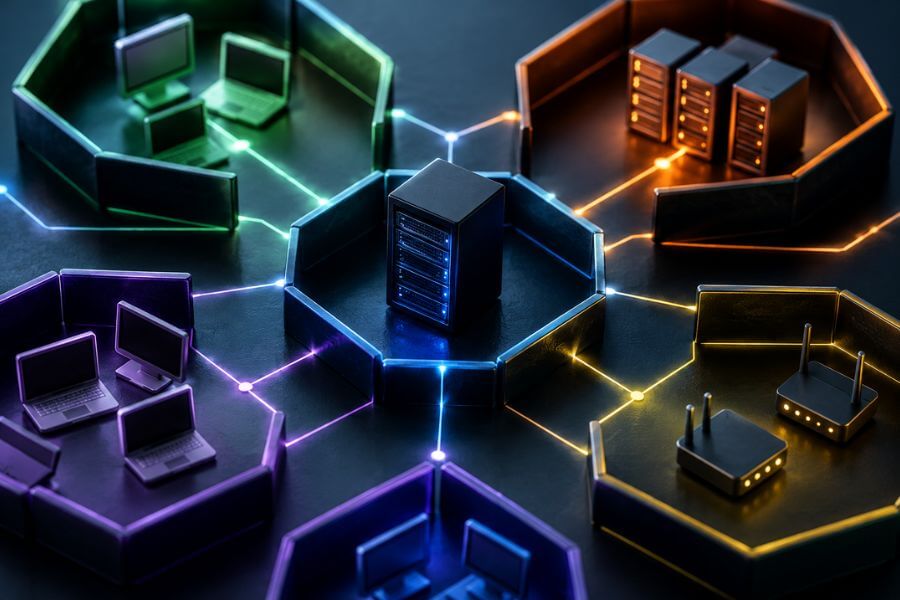
If you want to improve your cybersecurity strategy, network segmentation is one of the smartest places to start. It helps you divide your network into smaller sections so threats cannot spread easily across your systems. Instead of giving every device and user access to everything, segmentation creates boundaries that improve security, performance, and control.
Today, businesses of all sizes use network segmentation to protect sensitive information, support remote work, manage cloud systems, and meet compliance requirements. Whether you run a small company or a large enterprise, understanding how segmentation works can help you reduce risks and improve network management.
In this guide, you will learn the ten most important things you need to know about network segmentation in simple and practical terms.
Quick Summary Table 📊
| Topic | Why It Matters |
|---|---|
| Understanding Network Segmentation | Helps you separate systems for better security |
| Reducing Cybersecurity Risks | Limits the spread of attacks and malware |
| Improving Network Performance | Reduces unnecessary traffic congestion |
| Supporting Compliance Requirements | Helps meet legal and industry regulations |
| Managing User Access | Controls who can access certain resources |
| Using VLANs and Firewalls | Common tools used for segmentation |
| Segmenting Cloud Environments | Protects cloud workloads and applications |
| Zero Trust Security | Strengthens access control and monitoring |
| Monitoring Segmented Networks | Helps detect suspicious activity faster |
| Avoiding Common Mistakes | Prevents security gaps and configuration issues |
How We Ranked These Topics 🔍
We selected and ranked these network segmentation topics based on several important factors:
- Importance for modern cybersecurity
- Real-world business value
- Ease of understanding for beginners
- Relevance for cloud and remote work environments
- Ability to reduce security risks
- Impact on network performance
- Long-term scalability and flexibility
- Practical use in organizations of different sizes
1. Network Segmentation Creates Security Boundaries 🛡️
The main purpose of network segmentation is to divide a network into smaller and isolated sections. Each segment can have its own security rules, permissions, and controls. This makes it much harder for attackers to move freely inside your network.
For example, your finance department may not need access to your engineering systems. By separating these departments into different network segments, you reduce unnecessary exposure.
Segmentation also helps protect sensitive data like customer records, payment information, and internal company files. Even if one part of the network becomes compromised, the rest of the system can remain protected.
This approach is similar to having locked rooms inside a building instead of leaving every door open.
2. It Helps Stop Cyberattacks from Spreading 🚨
One of the biggest advantages of network segmentation is containment. Cyberattacks often spread quickly when networks are fully connected. Malware, ransomware, and unauthorized users can move from one system to another with very little resistance.
When your network is segmented, threats become isolated within smaller areas. This limits damage and gives your security team more time to respond.
For example, if ransomware infects one employee’s device, segmentation can stop it from reaching critical servers or backup systems. Without segmentation, attackers may gain access to your entire infrastructure within minutes.
This makes segmentation one of the most effective tools for reducing the impact of cyber incidents.
3. Segmentation Can Improve Network Performance ⚡
Security is not the only benefit. Network segmentation can also improve overall performance.
When all devices communicate on a single large network, traffic congestion becomes a problem. Too many requests, broadcasts, and unnecessary communications can slow everything down.
By separating devices into smaller groups, you reduce traffic overload and improve efficiency. Systems can communicate faster because they only interact with the resources they actually need.
For example, printers, employee computers, servers, and guest WiFi users can all operate in different segments. This reduces unnecessary network chatter and creates a smoother experience for everyone.
Businesses with large numbers of connected devices especially benefit from better organization and improved speed.
4. Compliance Requirements Often Demand Segmentation 📋
Many industries require strong network security controls to protect sensitive information. Network segmentation is often part of these requirements.
Organizations handling financial records, healthcare information, or customer data may need segmentation to comply with regulations and standards.
For example:
- Payment systems may need to be isolated from regular employee networks
- Medical records may require restricted access environments
- Customer databases may need additional protection layers
Segmentation demonstrates that you are actively reducing risk and controlling access to sensitive systems.
This can help during audits, reduce legal exposure, and strengthen customer trust.
5. User Access Becomes Easier to Control 🔐
Not every employee should have access to every system. Network segmentation helps you enforce access rules more effectively.
You can create segments based on:
- Departments
- Job roles
- Device types
- Security levels
- Locations
- Business functions
For example, guest users can be restricted to internet access only, while internal staff can access company resources. Developers may have access to testing environments without reaching financial systems.
This principle is known as least privilege access, meaning users only receive the access they truly need.
Better access control reduces accidental mistakes and limits opportunities for insider threats.
6. VLANs and Firewalls Play a Major Role 🖧
Two common technologies used in network segmentation are VLANs and firewalls.
VLANs, or Virtual Local Area Networks, allow you to separate devices logically, even if they share the same physical hardware. This gives businesses flexibility without needing entirely separate physical networks.
Firewalls add another layer of control by managing communication between segments. They can block unauthorized traffic, inspect data, and enforce security policies.
For example:
- A firewall may allow employees to access email servers
- The same firewall may block guest devices from reaching internal databases
Together, VLANs and firewalls create strong barriers that improve both organization and protection.
Modern businesses often combine these tools with advanced monitoring systems and identity management solutions.
7. Cloud Environments Also Need Segmentation ☁️
Many people think segmentation only applies to traditional office networks, but cloud environments need it too.
Cloud platforms host applications, databases, virtual machines, and remote services. Without proper segmentation, a security issue in one cloud workload could spread to others.
Cloud segmentation helps you:
- Isolate workloads
- Protect sensitive applications
- Control communication between services
- Improve visibility
- Reduce attack surfaces
Businesses using hybrid or multi-cloud environments especially benefit from strong segmentation strategies.
As remote work continues to grow, securing cloud infrastructure becomes even more important.
8. Network Segmentation Supports Zero Trust Security 🧠
Zero Trust security is based on the idea that no user or device should be trusted automatically. Every connection must be verified continuously.
Network segmentation works perfectly with this approach because it limits access between systems and enforces tighter security controls.
Instead of giving broad access across the network, Zero Trust focuses on:
- Identity verification
- Device security checks
- Continuous monitoring
- Limited access permissions
Segmentation helps organizations apply these rules more effectively.
For example, even if an attacker steals login credentials, segmentation may still prevent access to high-value systems.
This layered approach significantly strengthens cybersecurity defenses.
9. Monitoring Segmented Networks Is Extremely Important 📡
Creating segments is only part of the process. You also need strong monitoring and visibility.
Security teams should track:
- Traffic between segments
- Unauthorized access attempts
- Suspicious activity
- Performance issues
- Policy violations
Without monitoring, attackers may still find ways to move between segments unnoticed.
Modern monitoring tools can detect unusual behavior quickly and alert administrators before problems become severe.
Good visibility also helps businesses troubleshoot issues faster and improve network management over time.
A segmented network without monitoring can still leave dangerous blind spots.
10. Poor Planning Can Create Segmentation Problems 🧩
Network segmentation is powerful, but poor planning can lead to complexity and confusion.
Some common mistakes include:
- Creating too many segments
- Using weak firewall rules
- Forgetting to update policies
- Ignoring cloud systems
- Failing to monitor traffic
- Allowing overly broad permissions
Overcomplicated segmentation can make troubleshooting difficult and slow down operations.
The best strategy is to keep segmentation practical, organized, and aligned with business goals.
Start small, understand your network structure, and expand carefully as your organization grows.
Proper planning ensures segmentation improves security without hurting productivity.
Conclusion 🎯
Network segmentation is one of the most effective ways to improve cybersecurity, reduce risks, and organize modern IT environments. By dividing networks into smaller and controlled sections, you gain stronger protection against cyberattacks while improving performance and access management.
As businesses continue adopting cloud services, remote work, and connected devices, segmentation becomes even more important. It helps you build a smarter and safer infrastructure that can adapt to changing threats and growing demands.
Whether you are securing a small office or managing a large enterprise network, understanding these ten key concepts will help you create a more secure and efficient environment.
Frequently Asked Questions ❓
What is the difference between network segmentation and subnetting?
Subnetting mainly focuses on organizing IP addresses and improving routing efficiency. Network segmentation is broader and focuses on security, isolation, and controlling communication between systems.
Is network segmentation expensive to implement?
The cost depends on the size and complexity of your environment. Small businesses can often implement basic segmentation using existing routers, switches, and firewalls without major investments.
Can network segmentation slow down a network?
When designed properly, segmentation usually improves performance. Poor configurations or overly complex rules may create delays, but good planning prevents these issues.
How often should segmentation rules be reviewed?
You should review segmentation policies regularly, especially after major infrastructure changes, software updates, or security incidents. Many businesses review policies quarterly or annually.
Does network segmentation work for remote employees?
Yes. Modern segmentation strategies can protect remote workers by separating remote access systems, controlling permissions, and securing cloud-based resources.