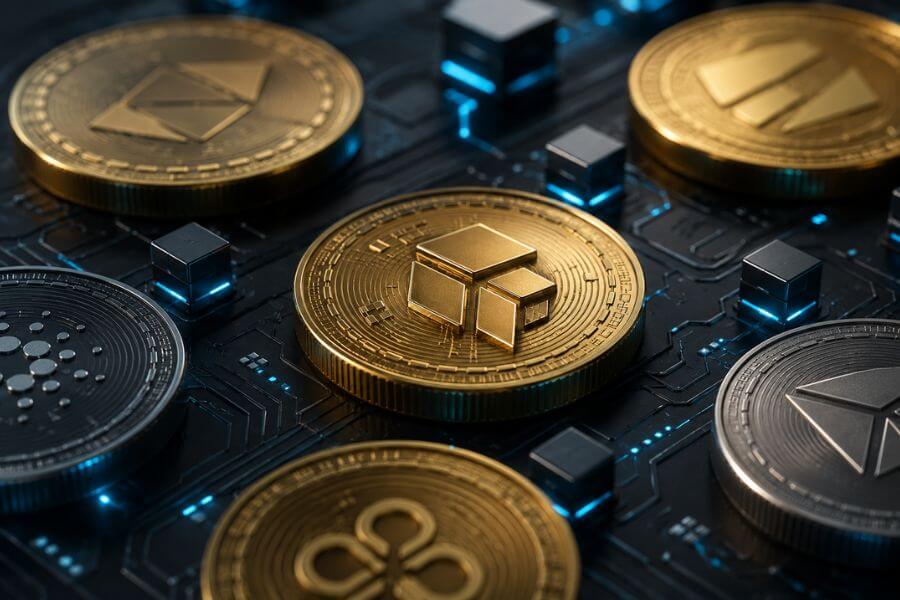
If you have been exploring blockchain, cryptocurrency, gaming, or digital finance, you have probably heard the term “token economy.” A token economy is a system where digital tokens are used to reward actions, create value, and support a community or platform. These systems are becoming more common in crypto projects, online games, loyalty programs, and decentralized apps.
Understanding how token economies work can help you make smarter decisions, whether you are investing, building a project, or simply learning about modern digital systems. Some token economies become successful because they create real value and strong user engagement. Others fail because they are poorly designed or unsustainable.
In this guide, you will learn the most important things you need to know about token economies in a simple and practical way.
Quick Summary Table 📊
| Topic | Why It Matters |
|---|---|
| Understanding Token Utility | Helps you know why a token exists |
| Supply and Demand | Affects token value over time |
| Incentive Systems | Keeps users engaged and active |
| Governance Features | Impacts long-term sustainability |
| Inflation and Deflation | Impacts long term sustainability |
| Community Strength | Builds trust and growth |
| Security and Transparency | Protects users and investors |
| Real World Use Cases | Determines practical value |
| Token Distribution | Influences fairness and decentralization |
| Long Term Sustainability | Separates strong projects from weak ones |
How We Ranked These 🧠
We focused on the factors that matter most when understanding or evaluating a token economy:
- Real-world usefulness
- Long-term sustainability
- User engagement potential
- Economic balance
- Transparency and trust
- Community participation
- Scalability and future growth
- Security and reliability
- Fairness in token distribution
- Ability to maintain value over time
1. Token Utility Is the Foundation 🔑
A token must have a clear purpose. This is called token utility. If a token has no meaningful use, people may lose interest quickly.
Some tokens are used for payments inside a platform. Others unlock features, reward users, or allow voting in governance systems. In gaming, tokens may help players buy digital items or access special content.
When you look at a token economy, ask yourself this simple question: “Why would someone want this token?” If the answer is weak or confusing, the project may struggle in the future.
Strong token utility creates demand because users actually need the token for something valuable.
2. Supply and Demand Control Token Value 💰
Just like physical products, token prices are heavily influenced by supply and demand.
If too many tokens are created without enough demand, the value can drop. On the other hand, a limited supply combined with strong demand can increase value over time.
Many projects use supply limits to create scarcity. For example, some cryptocurrencies have a fixed maximum supply, while others slowly release new tokens into circulation.
You should also pay attention to how quickly tokens enter the market. Large token releases can sometimes create selling pressure and price volatility.
A healthy token economy tries to balance growth with stability.
3. Incentives Keep Users Active 🚀
Good token economies reward participation. Incentives encourage users to stay active and support the ecosystem.
Examples of incentives include:
- Staking rewards
- Play-to-earn systems
- Loyalty bonuses
- Governance rewards
- Referral programs
- Creator rewards
These systems help platforms grow because users feel motivated to contribute. However, incentives must be sustainable. If rewards are too high and unsupported by real value, the system may collapse over time.
The best token economies reward meaningful activity instead of encouraging short-term speculation only.
4. Governance Tokens Give Communities a Voice 🗳️
Many token economies include governance features. Governance tokens allow holders to vote on important decisions.
These decisions may include:
- Platform upgrades
- Fee structures
- Treasury spending
- New features
- Community proposals
This approach creates a more decentralized system where users help shape the future of the platform.
Governance can strengthen trust because people feel involved instead of controlled by a single company. However, governance systems work best when participation is active and voting power is distributed fairly.
If only a few people control most of the tokens, decision-making can become centralized.
5. Inflation and Deflation Matter More Than You Think ⚖️
Token economies often use inflationary or deflationary models.
An inflationary model creates new tokens regularly. This can help reward users and support growth, but excessive inflation may reduce token value.
A deflationary model removes tokens from circulation through token burns or limited supply systems. This can increase scarcity and potentially support long-term value.
Some projects combine both systems to maintain balance.
You should understand how a token handles inflation because it directly affects scarcity, sustainability, and long-term confidence.
6. Community Strength Can Make or Break a Project 🌍
A strong community is one of the most powerful parts of a successful token economy.
Communities help with:
- Marketing and awareness
- User support
- Development ideas
- Governance participation
- Ecosystem growth
Projects with active and loyal communities often survive market downturns better than projects with weak engagement.
When evaluating a token economy, look beyond price charts. Check whether the community is active, supportive, and genuinely interested in the project’s mission.
A passionate community can create long-lasting momentum.
7. Transparency Builds Trust 🔒
People are more likely to trust projects that are open and transparent.
Transparency includes:
- Public token supply information
- Clear roadmap updates
- Honest communication
- Visible development progress
- Open governance processes
Users want to know how tokens are distributed, who controls the treasury, and how decisions are made.
Lack of transparency can create suspicion and reduce confidence. In contrast, transparent projects often build stronger reputations and attract long-term supporters.
Trust is extremely important in digital economies.
8. Real World Use Cases Increase Long-Term Value 🏗️
A token economy becomes stronger when it solves real problems or supports useful activities.
Examples include:
- Cross-border payments
- Digital ownership
- Gaming ecosystems
- Decentralized finance
- Creator monetization
- Supply chain tracking
Projects with real-world applications usually have better chances of long-term survival because they provide actual value beyond speculation.
If a token only depends on hype, it may struggle when market excitement fades.
Useful systems tend to last longer than trend-based systems.
9. Fair Token Distribution Is Important 🎁
How tokens are distributed can greatly affect trust and stability.
Some projects distribute tokens fairly through public sales, staking rewards, or community participation. Others allocate large amounts to insiders or early investors.
Poor distribution can create problems such as:
- Centralized control
- Market manipulation
- Heavy selling pressure
- Community distrust
You should pay attention to who owns the majority of tokens and whether the project encourages decentralization.
Balanced distribution often creates healthier ecosystems.
10. Sustainability Determines Long-Term Success 🌱
Many token economies look exciting at first, but fail because they are not sustainable.
A sustainable token economy usually has:
- Real demand
- Balanced incentives
- Controlled inflation
- Active community support
- Strong utility
- Long-term planning
Short-term growth alone is not enough. Projects need systems that continue working even during difficult market conditions.
When evaluating a token economy, think beyond hype and focus on whether the model can survive for years instead of months.
Long-term thinking is one of the biggest signs of a mature project.
Conclusion ✨
Token economies are becoming a major part of digital business, blockchain technology, gaming, and online communities. They combine economics, technology, and user behavior into one connected system.
If you understand token utility, incentives, governance, supply management, and sustainability, you will be better prepared to evaluate projects and avoid common mistakes.
The strongest token economies are not built on hype alone. They create real value, support active communities, and maintain balanced systems that can grow over time.
As digital platforms continue evolving, token economies will likely play an even bigger role in how people interact, earn rewards, and participate online.
Frequently Asked Questions ❓
What is the main goal of a token economy?
The main goal is to create a system where digital tokens encourage participation, reward users, and support the growth of a platform or ecosystem.
Are all token economies based on blockchain technology?
Most modern token economies use blockchain technology, but some digital reward systems outside crypto also use token-based structures.
Can a token economy exist without cryptocurrency trading?
Yes. Some token economies focus mainly on platform access, gaming rewards, loyalty systems, or governance rather than public trading.
Why do some token economies fail quickly?
Many fail because of poor planning, weak utility, excessive token inflation, low transparency, or unsustainable reward systems.
How can beginners evaluate a token economy safely?
You can start by checking the token’s utility, community strength, transparency, distribution model, and long-term sustainability plan before getting involved.