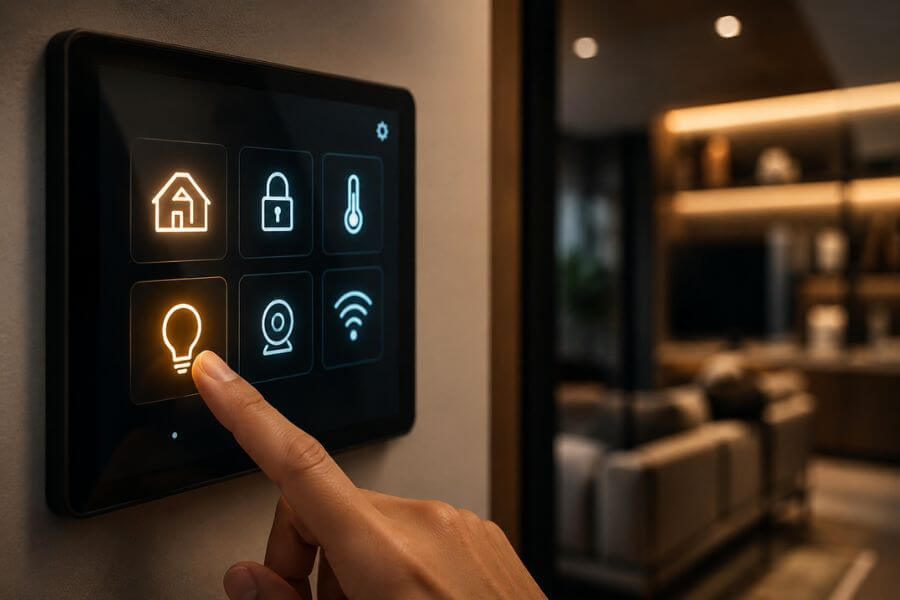
Smart home devices are no longer just fun gadgets for tech lovers. Today, they can help you save time, reduce stress, lower energy bills, and make your daily routine feel smoother from morning to night.
The best part is that you do not need an expensive setup or advanced tech skills to enjoy smart home automation. Even a few simple routines can remove small daily tasks that slowly eat up your time. Things like turning off lights, adjusting temperatures, locking doors, or starting your coffee maker can happen automatically without you thinking about it.
In this guide, you will discover the best smart home automation routines that people use every day to simplify life. Whether you use Alexa, Google Home, Apple HomeKit, or another smart platform, these routines can make your home feel smarter and more helpful.
Quick Summary Table 📋
| # | Smart Home Routine | Main Benefit | Best Time Saved |
|---|---|---|---|
| 1 | Morning Wake-Up Routine | Easier mornings | 10-15 minutes |
| 2 | Automatic Lights Off Routine | Saves energy | Daily manual tasks |
| 3 | Smart Thermostat Schedule | Better comfort | Constant adjustments |
| 4 | Bedtime Shutdown Routine | Better sleep routine | 5-10 minutes |
| 5 | Grocery Reminder Automation | Avoid forgetting items | Shopping prep |
| 6 | Smart Security Arrival Routine | Faster home entry | Everyday convenience |
| 7 | Robot Vacuum Scheduling | Cleaner floors automatically | Hours weekly |
| 8 | Laundry and Appliance Alerts | Prevent forgotten chores | Multiple daily checks |
| 9 | Work From Home Focus Routine | Better productivity | Fewer interruptions |
| 10 | Vacation Away Routine | Improved home security | Stress reduction |
How We Ranked These Smart Home Routines 🔍
We selected these automation routines based on real everyday usefulness instead of flashy features that most people rarely use.
Key Factors We Considered:
- Time saved during normal daily life
- Easy setup for beginners
- Compatibility with popular smart home systems
- Low maintenance after setup
- Energy savings potential
- Convenience improvements
- Cost effectiveness
- Reliability for long-term use
- Family-friendly usability
- Ability to reduce stress and mental workload
1. Morning Wake-Up Routine ☀️
Your mornings often decide how the rest of your day feels. A smart morning routine can remove stress and help you wake up naturally.
This routine usually starts automatically at a set time. Your smart blinds slowly open, lights gradually brighten, and your thermostat adjusts the room temperature to something comfortable. Some people also connect their coffee maker and favorite morning playlist.
A typical setup may include:
- Bedroom lights turning on slowly
- Smart blinds opening
- Coffee maker starting automatically
- Bathroom heater turning on
- Morning news or weather briefing playing
- Smart thermostat warming the house
Instead of rushing around half awake, your home prepares itself for you before you even get out of bed.
This routine is especially useful if you struggle with mornings or have a busy work schedule.
2. Automatic Lights Off Routine 💡
One of the simplest yet most useful smart home routines is automatic light control.
Many people constantly forget to turn off lights when leaving rooms or leaving the house. Smart automation solves this problem easily.
You can create routines that:
- Turn lights off when nobody is home
- Automatically shut off lights late at night
- Use motion sensors to control room lighting
- Turn off forgotten bathroom or kitchen lights
- Dim lights during movie time
This routine helps you save electricity while removing one more thing from your mental checklist.
Over time, this can lower your energy bills while making your home feel more efficient.
3. Smart Thermostat Schedule 🌡️
Adjusting your thermostat throughout the day becomes annoying faster than most people realize.
Smart thermostat routines automatically manage your home’s temperature based on your habits and schedule.
For example:
- Lower temperatures while you are away
- Warm the house before you wake up
- Cool your bedroom before bedtime
- Automatically adjust settings during weather changes
- Enter energy-saving mode when nobody is home
Besides saving time, this routine can also reduce heating and cooling costs significantly over the year.
Many smart thermostats even learn your habits over time and improve automation automatically.
4. Bedtime Shutdown Routine 🌙
At the end of a long day, the last thing you want is walking around the house checking everything manually.
A bedtime routine automates your nighttime shutdown process with a single voice command or scheduled trigger.
This routine often includes:
- Turning off lights
- Locking smart doors
- Lowering thermostat settings
- Turning off televisions
- Activating security systems
- Playing sleep sounds or calming music
- Charging devices reminders
Instead of worrying whether you forgot something downstairs, your home handles it for you automatically.
This routine also helps build healthier nighttime habits and improves relaxation before sleep.
5. Grocery Reminder Automation 🛒
Smart home automation is not only about lights and devices. It can also help you stay organized.
A grocery reminder routine can automatically create shopping reminders based on your habits or device usage.
Examples include:
- Smart refrigerators reminding you about low items
- Voice assistants adding products to shopping lists
- Pantry sensors tracking supplies
- Weekly grocery reminder notifications
- Meal planning integrations
This saves time because you no longer need to remember everything manually before visiting the store.
It also reduces forgotten items and unnecessary extra shopping trips.
6. Smart Security Arrival Routine 🚪
Coming home with bags, groceries, or kids can quickly become frustrating when juggling keys, lights, and alarms.
A smart arrival routine makes the process smoother.
When your phone location detects that you arrived home, your automation can:
- Unlock smart doors
- Turn on hallway lights
- Disable the security alarm
- Adjust room temperature
- Open garage doors
- Play music automatically
This routine feels especially useful during bad weather or late nights when convenience matters most.
It creates a smoother transition between outside stress and home comfort.
7. Robot Vacuum Scheduling Routine 🤖
Cleaning floors manually takes a surprising amount of time every week.
Robot vacuum automation handles this task quietly in the background while you focus on more important things.
The best routines schedule cleaning during moments when:
- You leave for work
- Kids are at school
- The house is empty
- Certain rooms are unused
Advanced setups can even:
- Avoid rooms automatically
- Start extra cleaning after detecting pets
- Empty vacuum bins automatically
- Coordinate with smart mops
Instead of thinking about daily floor cleaning, it simply happens on schedule.
For busy households, this automation can save several hours every month.
8. Laundry and Appliance Alert Routine 🧺
Many people waste time repeatedly checking whether laundry or dishes are finished.
Smart appliance notifications solve this issue immediately.
You can receive alerts when:
- Washing machines finish cycles
- Dryers stop running
- Dishwashers are done
- Ovens preheat fully
- Refrigerators are left open
Some routines even flash lights or send phone notifications.
This prevents forgotten laundry sitting in machines for hours and helps you manage chores more efficiently.
It may sound small, but removing repeated checking throughout the day saves more time than most people expect.
9. Work From Home Focus Routine 💻
Working from home creates constant distractions if your environment is not optimized.
A smart focus routine helps your home automatically shift into productivity mode.
This routine may include:
- Blocking unnecessary notifications
- Adjusting office lighting
- Turning on focus music
- Setting smart speakers to do not disturb mode
- Cooling your office automatically
- Activating white noise machines
Some people even connect routines with their work calendar, so automation starts before meetings begin.
This creates a more professional and distraction-free workspace without constant manual adjustments.
10. Vacation Away Routine ✈️
Leaving home for several days often creates stress about security and safety.
A vacation routine helps protect your home automatically while making the house appear occupied.
This routine may include:
- Turning lights on and off randomly
- Adjusting blinds during daytime
- Activating cameras and alarms
- Pausing unnecessary appliances
- Monitoring water leaks
- Sending security notifications
Some advanced systems can even simulate normal household activity patterns to discourage potential break-ins.
This routine saves time because you do not need to manually prepare everything before every trip.
It also gives you peace of mind while traveling.
Conclusion 🎯
The best smart home routines are not always the most complicated ones. The routines that truly save time are usually simple automations that remove small repetitive tasks from your day.
Whether it is waking up more comfortably, cleaning floors automatically, improving security, or simplifying bedtime, smart home automation can make everyday life feel smoother and less stressful.
You do not need to automate your entire house overnight. Start with one or two routines that solve your biggest daily frustrations. Once you experience how much time and mental energy they save, expanding your smart home setup becomes much easier.
The goal of smart home automation is not just convenience. It is creating a home that quietly works in the background so you can focus more on your life instead of constant small tasks.
Frequently Asked Questions ❓
Do smart home routines work without internet?
Some smart home routines continue working locally even if your internet goes down, especially if they are controlled through local hubs. However, cloud-based automations may stop working until your connection returns.
Are smart home automations difficult to set up?
Most modern smart home platforms are beginner-friendly. Many routines can be created in just a few minutes using simple app menus and templates.
Which smart home platform is best for automation?
Popular choices include Amazon Alexa, Google Home, Apple HomeKit, and Samsung SmartThings. The best option depends on the devices you already own and your personal preferences.
Can smart home routines save money?
Yes. Automations that control lights, heating, cooling, and appliances can lower electricity and energy usage over time, especially in larger homes.
What devices are most useful for starting smart home automation?
Beginners usually benefit most from smart speakers, smart lights, smart plugs, motion sensors, and smart thermostats because they are affordable and easy to automate.