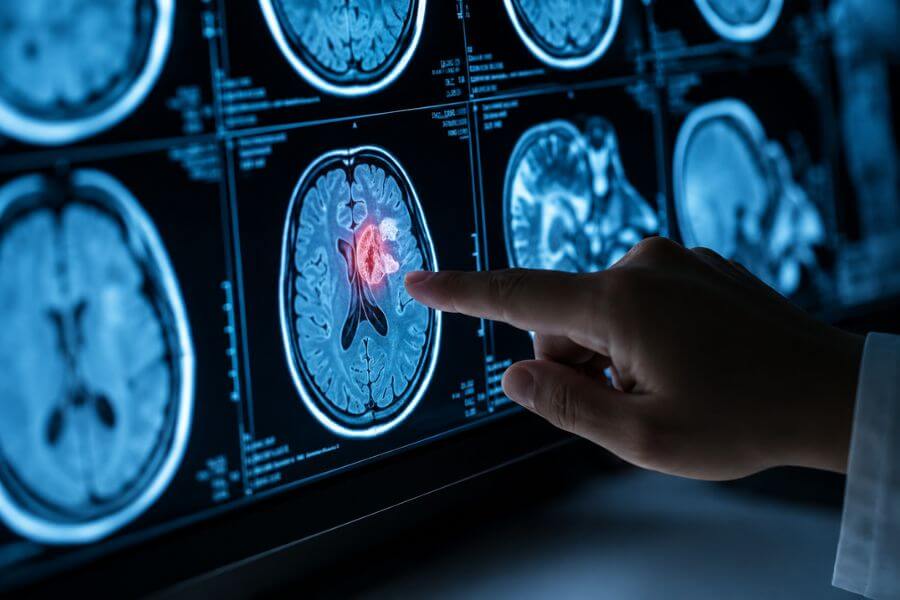
Artificial intelligence is no longer a future concept in healthcare. It is already helping doctors analyze medical images, identify diseases, predict health risks, and process huge amounts of patient data. As healthcare systems face growing patient demands and physician shortages, AI is becoming an important partner in improving diagnostic speed and accuracy.
For patients, this means earlier detection of serious conditions and potentially better treatment outcomes. For healthcare providers, it means access to powerful tools that can reduce errors and support clinical decision-making.
In this article, you’ll discover the seven most critical ways AI is transforming medical diagnosis right now and why these changes matter for the future of healthcare.
Quick Summary Table 🩺
| Rank | AI Transformation | Primary Benefit |
|---|---|---|
| 1 | Medical Imaging Analysis | Faster and more accurate image interpretation |
| 2 | Early Disease Detection | Identifies illnesses before symptoms worsen |
| 3 | Predictive Risk Assessment | Forecasts future health risks |
| 4 | Clinical Decision Support | Helps doctors make informed diagnoses |
| 5 | Pathology and Laboratory Analysis | Improves testing accuracy and efficiency |
| 6 | Personalized Diagnostic Insights | Tailors evaluations to individual patients |
| 7 | Remote and Virtual Diagnostics | Expands healthcare access |
How We Ranked These Transformations 📊
We evaluated each AI application using the following factors:
- Impact on patient outcomes
- Current adoption in healthcare systems
- Ability to improve diagnostic accuracy
- Potential to reduce diagnostic errors
- Speed of implementation in clinical settings
- Scalability across healthcare organizations
- Long-term influence on medical practice
- Real-world effectiveness today
1. Medical Imaging Analysis 🧠
Medical imaging remains one of the most successful areas for AI adoption.
Doctors review millions of X-rays, CT scans, MRIs, ultrasounds, and mammograms every year. AI systems can analyze these images rapidly and identify patterns that may be difficult for the human eye to detect.
For example, AI can assist radiologists in identifying:
- Lung cancer
- Breast cancer
- Brain tumors
- Stroke indicators
- Bone fractures
- Heart abnormalities
Rather than replacing specialists, AI acts as a second set of eyes. It can flag suspicious findings for further review and help prioritize urgent cases.
This reduces diagnostic delays and helps healthcare providers focus on patients who need immediate attention. In busy hospitals, even a small improvement in image review speed can make a significant difference.
2. Early Disease Detection ❤️
One of the greatest strengths of AI is its ability to recognize subtle warning signs before diseases become severe.
Traditional diagnosis often depends on symptoms becoming noticeable enough to trigger testing. AI can analyze patterns across large datasets and identify early indicators that might otherwise be overlooked.
Areas where AI is helping include:
- Cancer screening
- Heart disease detection
- Diabetes risk identification
- Neurological disorder monitoring
- Chronic kidney disease assessment
Earlier detection often leads to more treatment options, lower healthcare costs, and better patient outcomes.
When diseases are discovered during their earliest stages, patients typically experience higher survival rates and fewer complications.
3. Predictive Risk Assessment 📈
Healthcare is moving from reactive care to proactive care.
AI systems can examine patient records, family history, laboratory results, lifestyle factors, and medical histories to estimate future health risks.
These predictive models help identify patients who may be at increased risk for:
- Heart attacks
- Stroke
- Sepsis
- Diabetes complications
- Hospital readmission
- Chronic disease progression
Instead of waiting for a medical emergency, healthcare providers can intervene earlier.
This shift allows doctors to recommend preventive measures, lifestyle changes, additional testing, or monitoring before major health problems develop.
4. Clinical Decision Support 🏥
Modern medicine generates enormous amounts of information. Doctors must evaluate symptoms, test results, medications, patient histories, and clinical guidelines while making diagnostic decisions.
AI-powered clinical decision support systems help organize and analyze this information.
These tools can:
- Suggest possible diagnoses
- Highlight unusual findings
- Compare symptoms against medical databases
- Recommend additional testing
- Identify potential inconsistencies
This support is especially valuable when dealing with rare diseases or complex cases involving multiple health conditions.
Doctors remain responsible for final decisions, but AI helps ensure important information is not missed during the diagnostic process.
5. Pathology and Laboratory Analysis 🔬
Pathology plays a critical role in confirming many diagnoses, especially cancer and infectious diseases.
Traditionally, pathologists manually review tissue samples under microscopes. This process requires extensive expertise and can be time-consuming.
AI is helping by analyzing digital pathology slides and laboratory data more efficiently.
Benefits include:
- Faster sample evaluation
- Improved consistency
- Better detection of abnormal cells
- Reduced human fatigue
- Enhanced workflow efficiency
AI can also assist laboratories in identifying trends within large testing datasets, helping healthcare teams respond more quickly to emerging health concerns.
As laboratory workloads continue to grow, these tools become increasingly valuable.
6. Personalized Diagnostic Insights 👤
Every patient is different.
Two individuals with similar symptoms may have entirely different underlying causes. AI helps move healthcare toward more personalized diagnostics.
By analyzing factors such as:
- Medical history
- Genetic information
- Lifestyle habits
- Previous treatments
- Demographic data
AI can generate insights tailored to the individual patient.
This personalized approach helps healthcare providers better understand why certain symptoms occur and which diagnostic pathways may be most relevant.
As precision medicine continues to advance, personalized diagnostic support will become even more important.
7. Remote and Virtual Diagnostics 🌐
Access to healthcare remains a challenge for many communities.
AI is helping bridge this gap through remote diagnostic capabilities.
Patients can increasingly use digital health tools that collect information through:
- Wearable devices
- Smartphone applications
- Remote monitoring systems
- Virtual consultations
- Home testing equipment
AI analyzes this information and alerts healthcare providers when abnormalities appear.
This capability is particularly valuable for:
- Rural communities
- Elderly patients
- Individuals with chronic conditions
- Regions with physician shortages
Remote diagnostics can improve access to care while reducing the burden on healthcare facilities.
Conclusion 🚀
AI is rapidly becoming one of the most important technologies in modern healthcare. From analyzing medical images to predicting disease risks and supporting clinical decisions, artificial intelligence is helping healthcare providers deliver faster, more accurate diagnoses.
The most significant advantage is not that AI replaces doctors. Instead, it strengthens the abilities of healthcare professionals by providing powerful tools that process vast amounts of information quickly and consistently.
As technology continues to improve, patients can expect earlier detection, more personalized care, and better access to diagnostic services. The healthcare industry is still in the early stages of this transformation, but the impact is already becoming clear across hospitals, clinics, laboratories, and virtual care platforms worldwide.
Frequently Asked Questions ❓
Can AI diagnose diseases without a doctor?
AI can analyze medical data and suggest possible diagnoses, but healthcare professionals remain responsible for confirming diagnoses and making treatment decisions. AI works best as a support tool rather than an independent decision-maker.
Is AI diagnosis more accurate than human doctors?
In certain specialized tasks, such as medical image analysis, AI can achieve accuracy levels that match or exceed human performance. However, overall patient care requires clinical judgment, experience, and context that only healthcare professionals can provide.
What types of diseases can AI help detect?
AI is currently used to assist with detecting cancers, heart disease, diabetes complications, neurological disorders, eye diseases, infectious diseases, and many other medical conditions.
Does AI improve healthcare costs?
AI has the potential to lower costs by reducing diagnostic errors, improving efficiency, identifying diseases earlier, and helping healthcare organizations allocate resources more effectively.
What challenges still limit AI in medical diagnosis?
Challenges include data privacy concerns, regulatory requirements, potential algorithm bias, integration with existing healthcare systems, and the need for continuous monitoring and validation to ensure reliable performance.